




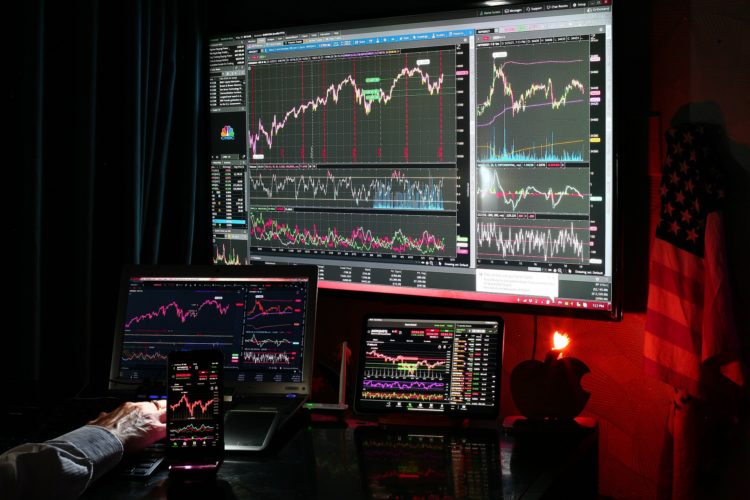
Indian equity markets suffered a brutal selloff on Thursday, October 8, 2026, with the Sensex plunging over 1,000 points and roughly ₹10 lakh crore in investor wealth wiped out in a single session. The catalyst: a hawkish Reserve Bank of India that raised interest rates a day earlier and signaled more tightening ahead.
What Happened
On Wednesday, the RBI's Monetary Policy Committee raised the repo rate by 25 basis points to 5.5% and shifted its policy stance from "Neutral" to "calibrated tightening." RBI Governor Sanjay Malhotra said policymakers were prioritizing inflation credibility amid elevated oil prices, tighter global conditions, and weather-driven food inflation risks.
The market response was swift and punishing:
- Thursday (Oct 8): Sensex fell over 1,000 points to 71,567.18 as of mid-session, with live trading data showing the index slumping as much as 1,168 points (1.61%) to 71,470.62 in afternoon trade. Nifty 50 dropped 393.95 points (1.74%) to 22,209.10, dipping below 22,250.
- Wednesday (Oct 7): Sensex had already fallen 429.11 points (0.59%) to 72,638.70, while Nifty dropped 173.05 points to 22,603.05.
- Wealth destruction: approximately ₹10 lakh crore in investor wealth erased on Thursday alone.
All sectoral indices were in the red except Nifty IT. Nifty Metal dropped 3.27%, Pharma fell 2.22%, Oil & Gas declined 2.52%, Auto slipped 1.85%, and FMCG lost 1.89%.
Three Headwinds Converging
The selloff wasn't about one trigger — it was a pile-up:
- Hawkish RBI: expectations now point to the repo rate moving toward 6% by December. Rate-sensitive sectors — banks, real estate, autos — bore the brunt as borrowing costs rise and credit growth slows.
- Rising crude prices: elevated oil is doubly painful for India — it fuels inflation, widens the import bill and current account deficit, and pressures the rupee. Geopolitical risks are compounding the squeeze.
- Foreign fund outflows: persistent FII selling continues to drain liquidity from Indian equities, amplifying every domestic shock.
Investors will now focus on Tata Consultancy Services, which is scheduled to announce its Q2 and H1 results, with attention on its outlook and AI spending plans.
Why It Matters for Founders Raising Now
This is the kind of macro environment that quietly kills fundraising rounds. Here's how:
- Valuations compress when the cost of capital rises. Higher rates push investors toward safer assets and raise the discount rate on growth-stage valuations. Late-stage Indian startups pricing rounds now will face tougher comps.
- Foreign capital gets pickier. FII outflows from public markets often foreshadow more selective late-stage private investing. Pre-seed and seed are more insulated; Series B+ is not.
- Cash burn becomes the first question. In a tightening cycle, "how long is your runway?" replaces "how fast are you growing?" as the opening investor question. Founders who can show 18+ months of runway get taken seriously; everyone else gets advised to cut.
- But: dislocation creates opportunity. Rupee pressure and domestic rate hikes hurt importers and borrowers, but they also create space for capital-efficient, revenue-led businesses to stand out. IT was the one green sector on Thursday — exporters benefit from the same rupee weakness hurting everyone else.
The near-term outlook stays choppy: with the RBI signaling the repo rate could approach 6% by December and crude still elevated, rate-sensitive sectors and growth valuations face continued pressure. Founders planning raises in Q4 2026 should accelerate timelines, lock in terms early, and build in cushion for a valuation step-back.
Angeled.com connects founders with investors.
Read Next
The Data-Center Backlash Is Now an Election Issue — and Infrastructure Funding Will Feel It
Alphabet Discloses $548M Qualcomm Stake in Q3 13F Filing — What a 13F Really Shows
Friday's Bounce After the AI Rout: What the Rebound Really Signals
The AI Trade Unwind: What the November 5 Rout Means for Founders
U.S. Stocks Plunge as Nasdaq Enters Correction in AI Trade Unwind
Ad-Tech Splits in Q3: Magnite's Connected TV Surges 39% While Criteo Shrinks 11%